
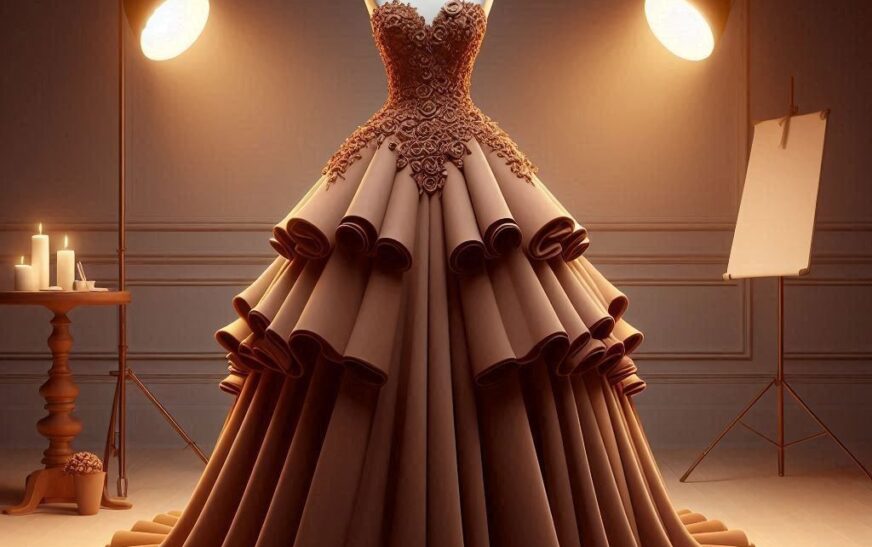
Fashion has always reflected more than clothing choices. It represents identity, emotion, culture, and even social change. From handcrafted textiles in ancient civilizations to industrial mass production and today’s digital design tools, every era has reshaped how people express themselves through clothing. Now, a new force is entering the industry—artificial intelligence.
AI is no longer just a tool for analysis or automation; it has stepped into the creative space once reserved entirely for human imagination. It can generate clothing ideas, suggest fabrics, predict trends, and even design complete outfits in seconds. What once required long hours of sketching and prototyping can now begin with a few digital prompts.
As this transformation accelerates, fashion is no longer just about what humans create—it is about what humans and machines create together. And that raises a powerful question: would you wear a dress designed by AI?
AI Is Transforming Modern Fashion Studios
Fashion studios are rapidly evolving into hybrid creative environments where designers collaborate with intelligent systems. AI is no longer an external tool—it is becoming part of the design workflow itself, influencing how ideas are formed and refined.
This shift is making the design process faster, more experimental, and highly data-informed.
- AI generates instant fashion concepts and sketches
- Designers explore multiple creative directions quickly
- Trend analysis improves decision-making accuracy
How AI Fits Into Daily Design Work
Inside modern studios, AI tools function like creative assistants. Designers input ideas such as mood, season, or audience, and the system generates visual concepts that can be refined further.
Instead of replacing creativity, AI expands it by offering unexpected combinations and style directions that might not be considered in traditional brainstorming.
How AI Creates Fashion Designs From Data
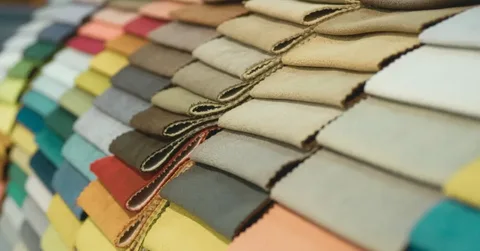
AI fashion design is powered by machine learning systems trained on thousands of garments, styles, and historical fashion datasets. These systems learn how colors, shapes, and textures interact to produce visually appealing outfits.
The result is not imitation but intelligent recombination of design elements.
- AI analyzes large-scale fashion databases
- It generates multiple outfit variations instantly
- Designs evolve based on user feedback and preferences
The Learning Process Behind AI Design
Machine learning allows AI systems to improve continuously. The more data they process, the better they become at identifying patterns in aesthetics and style.
Over time, AI begins to understand subtle design relationships, such as how fabric weight influences silhouette or how cultural trends affect color choices.
Human Designers and AI: A Creative Collaboration
Rather than replacing designers, AI is becoming a creative partner. Human imagination provides emotional depth, storytelling, and cultural context, while AI contributes speed, variation, and data-based insights.
This partnership is reshaping the creative process in fashion studios worldwide.
- Designers refine AI-generated concepts into final garments
- AI produces rapid variations for experimentation
- Collaboration reduces repetitive manual design work
Why Human Creativity Still Matters
AI can generate visually impressive clothing, but it cannot understand emotional meaning, cultural symbolism, or personal storytelling in the same way humans do.
Fashion is deeply emotional, and human designers ensure that clothing remains meaningful rather than purely algorithmic.
Sustainability and AI’s Role in Fashion’s Future
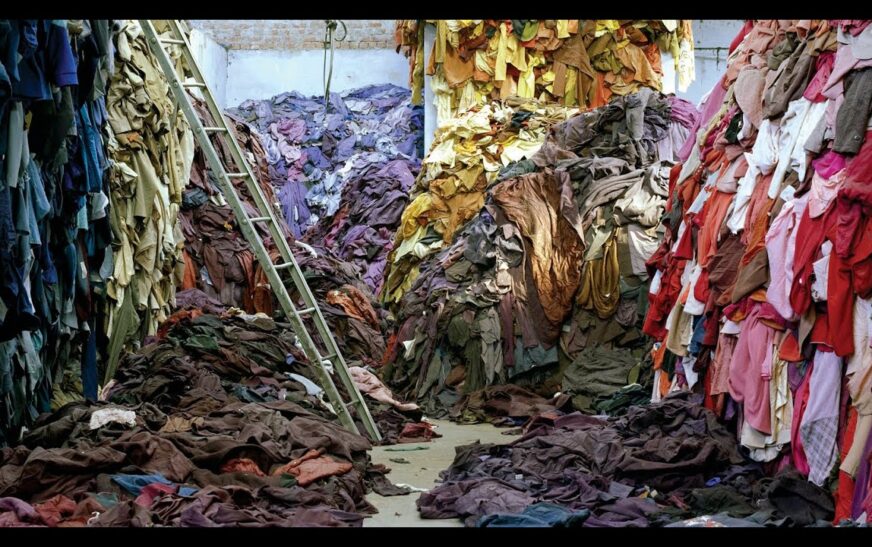
One of the most important contributions of AI in fashion is sustainability. The industry has long struggled with overproduction, waste, and inefficient supply chains. AI helps reduce these issues through smarter forecasting and design optimization.
This leads to more responsible and efficient production systems.
- AI reduces overproduction through demand prediction
- Digital sampling minimizes fabric waste
- Smart design tools improve material efficiency
Predicting Demand More Accurately
AI systems simulate how fashion collections will perform before production begins. This helps brands manufacture only what is needed, reducing waste and improving profitability.
Sustainability becomes more achievable when production is guided by accurate data rather than guesswork.
The Rise of Virtual and Digital Fashion
Fashion is no longer limited to physical clothing. Digital fashion is emerging as a powerful trend where clothing exists only in virtual environments such as games, social media, and augmented reality spaces.
AI plays a key role in creating these experimental and futuristic designs.
- Digital clothing is used for avatars and online identity
- AI enables limitless creative experimentation
- Virtual fashion reduces environmental impact
Why Digital Clothing Is Growing
As people spend more time online, digital identity becomes increasingly important. Virtual fashion allows individuals to express themselves without physical limitations.
Brands are now exploring digital-only collections, opening entirely new creative and commercial opportunities.
Consumer Reactions to AI-Designed Fashion
Even though AI fashion is advancing quickly, consumer acceptance remains a key factor. Clothing is deeply personal, and people often prefer designs that carry emotional or human connection.
Understanding this psychology is essential for the future of AI fashion adoption.
- Younger audiences are more open to AI-generated designs
- Trust plays a major role in adoption
- Emotional connection influences purchase decisions
The Emotional Gap in Machine Creativity
While AI can generate visually appealing outfits, it does not create emotional stories behind them. Many consumers still value the human journey behind fashion design.
Bridging this emotional gap will be essential for long-term success.
The Future of Personalized AI Fashion
Fashion is moving toward extreme personalization powered by artificial intelligence. Instead of seasonal collections, individuals may soon receive outfits tailored specifically to their preferences, body type, and lifestyle.
This represents a shift from mass fashion to individualized design systems.
- AI creates clothing based on personal data
- Wardrobes adapt to daily needs and moods
- Fashion becomes dynamic and responsive
Hyper-Personal Style Generation
Future AI systems may generate new outfit ideas daily, adapting to weather, events, and personal taste evolution.
This creates a continuously evolving fashion experience where clothing is never static.
Fashion Evolution Is Accelerating Rapidly
AI is not a future concept in fashion—it is already shaping the present. From design studios to digital platforms, machine intelligence is influencing how clothing is created and experienced.
The fashion industry is evolving into a space where creativity is shared between humans and algorithms. This shift is redefining what it means to design, wear, and experience clothing.
As technology continues to advance, fashion will no longer be limited by traditional boundaries. Instead, it will become faster, smarter, and more personalized than ever before.
Conclusion:
AI in fashion represents a major shift in how clothing is imagined and produced. It is enhancing creativity, improving sustainability, and opening new digital possibilities that were previously unimaginable. However, human creativity remains essential in giving fashion meaning, emotion, and cultural depth.
The future will not be defined by AI replacing designers but by AI and humans working together to create something entirely new. Fashion is becoming a shared space between imagination and computation.
This evolution is already underway, and its pace is accelerating every day.
FAQs
1. What is AI in fashion design?
AI in fashion design refers to the use of artificial intelligence tools to create clothing ideas, patterns, and trend predictions using data analysis.
2. Can AI replace fashion designers completely?
No, AI supports designers but cannot replace human creativity, emotion, or cultural storytelling.
3. Are AI-designed clothes actually real?
Yes, many AI-generated designs are turned into real garments after refinement by human designers.
4. How does AI help fashion sustainability?
AI reduces waste by predicting demand, improving production planning, and minimizing overproduction.
5. What is digital fashion?
Digital fashion refers to clothing that exists only in virtual environments like gaming, social media, or AR platforms.
⚡ Fashion Is Changing Faster Than You Think — The Time to Adapt Is Now
The transformation happening in fashion today is not slowing down—it is accelerating. AI-driven design systems, digital fashion platforms, and personalized style engines are already reshaping how clothing is created and consumed. What feels experimental now will soon become standard practice across the industry.
Those who begin exploring and adapting to this shift early will naturally stay ahead of the curve, while others may find themselves catching up to a world that has already moved forward. Fashion is no longer just about following trends—it is about understanding how those trends are being created in real time.
The opportunity to engage with this evolution is already here. The question is not whether AI will influence fashion, but how quickly you choose to be part of it.