

Fast fashion has become one of the most influential forces shaping the global apparel industry. It has transformed how consumers shop, how brands operate, and how quickly trends move from runway to retail. With its promise of affordable, stylish clothing available almost instantly, it has built a massive global market that continues to expand each year.
However, beneath this rapid growth lies a complex system of production, consumption, and disposal that raises serious concerns about long-term sustainability and ethical responsibility. As the industry accelerates toward 2030, understanding the deeper structure behind fast fashion becomes essential for both consumers and businesses navigating this evolving landscape.
Hidden Labor Exploitation in Global Supply Chains
Fast fashion relies heavily on globalized production networks where labor costs are minimized to maximize profit margins. Many garments are produced in developing regions where wages remain low and working conditions are often poorly regulated. This creates a system where affordability for consumers is directly linked to cost-cutting at the production level.
The fast fashion impact is most visible in these labor-intensive environments where workers face intense production pressure to meet global demand.
- Long working hours with minimal labor protections
- Low wages that often do not meet living standards
- Limited transparency in subcontracted factory systems
The Human Cost Behind Cheap Clothing
Behind every low-cost shirt or dress is a workforce operating under strict deadlines and high-volume production targets. Many factories prioritize speed over safety, leading to unsafe environments and limited worker rights. While brands benefit from reduced production costs, workers often bear the burden of this efficiency-driven system.
This hidden structure raises ethical concerns that continue to challenge the legitimacy of fast fashion’s growth model.
Environmental Damage From Overproduction
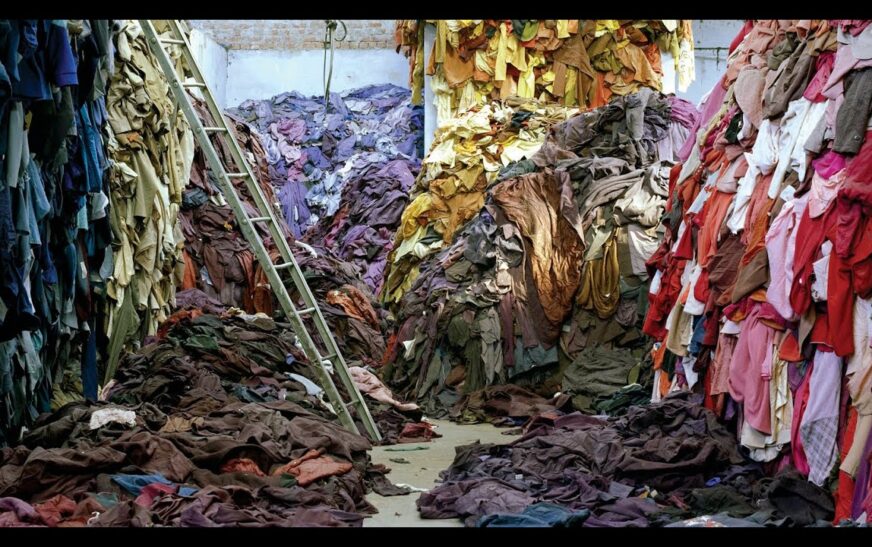
The environmental footprint of fast fashion is one of the most critical issues facing the global apparel industry. Rapid production cycles encourage excessive manufacturing, leading to large volumes of unsold or discarded clothing that end up in landfills or incinerators.
This unsustainable model places immense pressure on natural resources and ecosystems.
- High water consumption in textile production processes
- Massive textile waste accumulation in landfills
- Increased carbon emissions from global supply chains
When Style Becomes Environmental Strain
The demand for constantly changing trends leads to overproduction, where far more garments are produced than are actually needed. Synthetic fabrics, widely used in fast fashion, take decades to decompose, contributing to long-term environmental pollution.
This environmental strain is not just a byproduct of fashion—it is a direct consequence of a system designed around speed and volume rather than sustainability.
Overproduction and the Culture of Waste
Fast fashion’s business model thrives on producing large quantities of clothing at extremely fast speeds. This often results in surplus inventory that cannot be sold, creating a culture of waste that is deeply embedded in the industry.
The ethical fashion business perspective highlights how this model contrasts sharply with responsible production systems.
- Unsold inventory frequently destroyed or discarded
- Seasonal collections replaced within weeks, not months
- Consumers encouraged to buy more than they need
The Lifecycle of Disposable Clothing
Clothing in fast fashion cycles is often designed for short-term use, both in quality and style relevance. As trends change rapidly, garments lose perceived value quickly, encouraging consumers to discard them sooner.
This cycle creates a continuous loop of production and waste, making it difficult for sustainability initiatives to keep pace with industry output.
Psychological Marketing and Consumer Manipulation
Fast fashion brands rely heavily on psychological marketing techniques to influence consumer behavior. Limited-time offers, constant new arrivals, and influencer-driven campaigns create a sense of urgency that encourages frequent purchasing.
This strategy is central to maintaining high sales volumes.
- “New drop” culture encourages constant buying behavior
- Flash sales and discounts trigger impulse purchases
- Social media influencers normalize fast consumption cycles
The Illusion of Affordable Abundance
Consumers are often led to believe they are getting exceptional value, but this perception is carefully engineered. The constant release of new collections creates an illusion of scarcity and urgency, even though products are mass-produced.
This manipulation of consumer psychology not only increases sales but also reinforces unsustainable consumption habits.
Lack of Transparency in Supply Chains
One of the most significant issues in fast fashion is the lack of transparency across its supply chains. Many brands outsource production to multiple tiers of suppliers, making it difficult to track where materials come from or how workers are treated.
This complexity allows ethical issues to remain hidden from public view.
- Multi-layered subcontracting reduces accountability
- Limited disclosure of factory locations and conditions
- Difficulty verifying sustainability claims
Why Transparency Remains a Challenge
Even as consumers demand more ethical practices, many brands struggle to provide clear visibility into their operations. The complexity of global supply chains makes monitoring difficult, and cost-driven decisions often prioritize efficiency over accountability.
Without stronger oversight, transparency remains one of the biggest unresolved issues in the industry.
Impact on Consumer Behavior and Fashion Identity
Fast fashion has fundamentally changed how consumers view clothing. Instead of being long-term investments, garments are increasingly seen as short-term, disposable items. This shift has reshaped fashion identity and personal style development.
It has also accelerated consumption patterns worldwide.
- Clothing treated as short-term trend items
- Increased frequency of wardrobe replacement cycles
- Reduced emotional attachment to garments
The Shift From Value to Volume
Consumers are now exposed to a continuous stream of new styles, making it difficult to develop lasting relationships with clothing. This encourages volume-based consumption rather than value-based purchasing.
Over time, this shift influences how individuals perceive fashion, identity, and self-expression, aligning personal style more closely with trends than with longevity.
Regulatory Pressure and Industry Accountability
Governments and regulatory bodies are beginning to respond to the negative impacts of fast fashion by introducing policies aimed at improving sustainability and labor standards. These changes are gradually reshaping how fashion businesses operate.
Regulation is becoming a key factor in industry transformation.
- New environmental compliance requirements for brands
- Labor law enforcement in production regions
- Restrictions on textile waste and disposal practices
The Future of Compliance-Driven Fashion
As regulatory frameworks tighten, fashion brands will need to adapt or face financial and reputational risks. This shift is encouraging companies to invest in cleaner production methods and more transparent reporting systems.
While progress is gradual, regulation is expected to play a major role in reshaping the industry by 2030.
FAQs
1. What is the dark side of fast fashion?
The dark side includes labor exploitation, environmental damage, overproduction, and lack of transparency in supply chains.
2. How does fast fashion affect the environment?
It leads to excessive water use, carbon emissions, and large amounts of textile waste that harm ecosystems.
3. Why is fast fashion considered unethical?
It is considered unethical due to poor working conditions, low wages, and unsustainable production practices.
4. How does fast fashion influence consumer behavior?
It encourages frequent buying through marketing tactics, leading to overconsumption and short clothing lifecycles.
5. What can replace fast fashion in the future?
More sustainable models like circular fashion, ethical production systems, and slow fashion approaches can replace it.
Conclusion:
Fast fashion represents one of the most complex contradictions in the modern fashion industry. While it has made clothing more accessible and affordable, it has also created a system built on overproduction, environmental strain, and hidden social costs. As awareness grows, the pressure on brands to reform their practices is increasing steadily.
Understanding these underlying issues is essential for recognizing how deeply interconnected production systems, consumer behavior, and global supply chains truly are. The future of fashion will depend on how effectively the industry addresses these structural challenges while balancing affordability, ethics, and sustainability.
Urgent Shift Required Before Fast Fashion Reaches Its Breaking Point
The current trajectory of fast fashion is no longer sustainable in its existing form. The combined pressures of environmental degradation, regulatory intervention, and shifting consumer expectations are pushing the industry toward a critical turning point. Brands that fail to evolve risk losing both credibility and market relevance.
At the same time, consumers are becoming more informed and selective, demanding accountability and transparency at every stage of production. This growing awareness is accelerating change across the industry, forcing businesses to reconsider long-standing practices.
The window for gradual adaptation is narrowing. The decisions made today will determine whether fashion evolves into a more responsible and balanced system—or continues to amplify the very issues it has created.