
Clothing is one of the most consistent daily interactions people have with their identity. Every morning, outfits are selected not just for weather or comfort, but also for mood, confidence, and how a person wants to be seen. Over time, this process becomes automatic, almost invisible, yet it still shapes the start of every day.
When this daily cycle is removed and replaced with a single repeated outfit, the experience changes in subtle but noticeable ways. What initially feels like a simple wardrobe decision experiment gradually turns into a deeper observation of behavior, psychology, and routine structure.
This shift reveals something important: clothing is not just external appearance—it actively participates in shaping internal thought patterns and daily life rhythm.
Psychological Reset: What Happens When Choices Disappear
One of the first and most noticeable effects of wearing the same outfit daily is the reduction in decision-making load. Humans make thousands of micro-decisions every day, and clothing is one of them. Removing this single category creates immediate mental space.
This simplification affects focus, energy distribution, and even morning emotional tone.
- Reduced cognitive load in morning routines
- More mental clarity for important decisions
- Less stress tied to appearance selection
Decision Fatigue and Mental Energy Recovery
Decision fatigue builds gradually when people make repeated small choices. Clothing selection, although simple, contributes to this mental load. Eliminating it creates a sense of mental relief that becomes more noticeable after several days.
Over time, the brain stops treating clothing as a decision point, allowing mental energy to be redirected toward tasks that require deeper focus.
Emotional Neutrality Toward Appearance
Another shift occurs emotionally. Without changing outfits daily, emotional attachment to clothing variety begins to fade. Instead of feeling “different” each day, a stable visual identity forms, reducing appearance-related anxiety or overthinking.
Social Perception: How Others Read Repetition
One of the most interesting aspects of this experiment is how it changes external perception. Clothing is often used by society as a quick signal for personality, effort, and mood. When that signal remains constant, interpretation becomes more layered.
People around the individual begin to process repetition in different ways depending on familiarity and context.
- Some people immediately notice repetition
- Others only register it subconsciously
- Social judgment varies widely by environment
Clothing as a Social Language
Fashion works like a silent communication system. Without speaking, clothing tells others something about identity. When that message remains unchanged, people begin to interpret it differently over time.
Instead of seeing variation, observers may start attributing meaning such as consistency, minimalism, or even intentional lifestyle choice.
Normalization Effect in Social Settings
After a few days, something interesting happens: repetition starts becoming normal to others. What initially feels noticeable gradually fades into background perception.
This shows how quickly human perception adapts to visual repetition.
Lifestyle Efficiency: The Hidden Structure Behind Simplicity
Beyond psychology and perception, daily life becomes structurally simpler. Clothing decisions often connect to other routines like laundry cycles, outfit coordination, and planning for events. Removing variation simplifies all of these layers.
This creates a smoother and more predictable daily flow.
- Faster morning preparation routines
- Simplified laundry management system
- Reduced wardrobe complexity overall
The Hidden Time Cost of Clothing Choices
Most people underestimate how much time is spent thinking about what to wear, even if it is just a few minutes per day. Over weeks and months, this adds up.
Removing outfit decisions eliminates a recurring micro-task, which gradually changes how structured mornings feel.
Routine Stabilization Through Repetition
A single outfit also creates a stable anchor in daily life. When one element stays constant, other habits tend to become more organized around it.
This leads to a subtle but noticeable increase in routine predictability.
Physical Awareness: How Fabric Behavior Becomes Noticeable
Wearing the same outfit repeatedly increases awareness of how clothing behaves physically over time. Fabric, stitching, fit, and comfort become more noticeable because there is no variation to compare against.
This shifts attention from style to function.
- Fabric wear patterns become visible earlier
- Comfort levels are evaluated more critically
- Fit consistency becomes more important
Material Fatigue and Daily Wear Effects
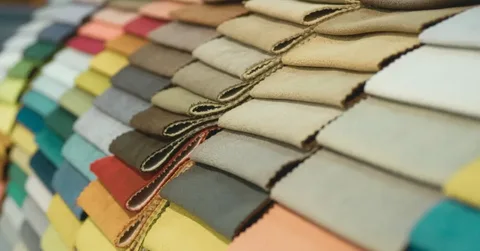
Every fabric responds differently to repeated use. Stretching, fading, and texture changes become more apparent when the same garment is worn continuously.
This creates a deeper understanding of clothing durability that is usually ignored in varied wardrobes.
Comfort as a Long-Term Experience
Instead of judging comfort once, it becomes a continuous evaluation. Small discomforts that would normally be overlooked start to stand out over time.
This makes the wearer more aware of how clothing interacts with the body on a long-term basis.
Identity Formation: When Clothing Stops Changing, Identity Stabilizes
Fashion is often used as a tool for expressing different moods or identities. When variation is removed, identity becomes more consistent and less externally influenced.
This leads to a more stable self-image.
- Reduced reliance on clothing-based expression
- Stronger internal identity awareness
- Less variation in outward appearance cues
Visual Consistency and Self-Perception
Wearing the same outfit repeatedly creates a consistent mirror of identity. Instead of shifting appearance daily, the visual self remains stable.
This stability can change how individuals perceive themselves over time.
Identity Beyond Appearance Signals
As clothing variation disappears, attention naturally shifts toward behavior, communication, and personality as primary identity markers.
This rebalances how identity is expressed outwardly.
Sustainability Insight: What Minimal Clothing Reveals
One of the most meaningful outcomes of this experiment is its connection to sustainability. Wearing one outfit repeatedly reduces consumption patterns and highlights how often clothing is used beyond necessity.
This makes sustainability a lived experience instead of a concept.
- Reduced water and energy use from washing
- Lower clothing consumption habits
- Increased garment appreciation and longevity focus
Consumption Awareness Through Limitation
Limiting wardrobe choices reveals how much clothing usage is habit-driven rather than necessity-driven. Many outfits are chosen for variation, not function.
This realization changes how clothing value is perceived.
Longevity Thinking in Fashion Behavior
When one outfit is used repeatedly, durability becomes more important than variety. This encourages a mindset shift toward long-lasting clothing rather than short-term fashion cycles.
Emotional Journey: From Novelty to Familiarity
Emotionally, the experience evolves. What begins as a conscious experiment slowly becomes normal and eventually fades into background routine.
This emotional transition is subtle but important.
- Initial awareness of repetition
- Gradual normalization of outfit stability
- Long-term emotional neutrality or comfort
Familiarity as Emotional Comfort
Repeated exposure to the same outfit creates familiarity, and familiarity often leads to emotional comfort. The outfit becomes less of a choice and more of a constant presence.
This reduces emotional decision-making around appearance.
Decline of Fashion-Based Emotional Shifts
Normally, changing outfits can subtly shift mood or confidence. In this experiment, those shifts stabilize, leading to a more even emotional baseline.
FAQs
1. What changes mentally when wearing one outfit for 30 days?
It reduces decision fatigue, improves focus, and creates a more stable mental routine.
2. How do people react to repeated outfits over time?
Initial attention may be high, but most people quickly normalize repetition.
3. Does wearing one outfit improve productivity?
It can improve productivity by reducing small daily decisions and simplifying routines.
4. What happens to clothing perception in this experiment?
Clothing shifts from a form of expression to a functional constant in daily life.
5. What is the main takeaway from this experiment?
That clothing influences psychology, behavior, and routine more than most people realize.
Conclusion:
Wearing the same outfit for 30 days reveals far more than a simple fashion experiment. It uncovers how deeply clothing influences decision-making, perception, emotional response, and daily structure. What seems like a small change gradually reshapes how time, attention, and identity are experienced.
The experiment shows that fashion is not only about visual expression—it is also about mental organization and social communication. When variation is removed, clarity emerges in unexpected areas of life. Ultimately, clothing becomes less about changing appearance and more about understanding how deeply it is connected to everyday behavior.
⚡ Your Clothes Are Already Influencing You More Than You Notice
Every outfit you wear is already shaping how you think, act, and interact with others. Even small clothing decisions contribute to daily mental load, emotional state, and social perception in ways that often go unnoticed.
This experiment shows that removing clothing variation doesn’t remove impact—it reveals it. The way you dress is not just appearance; it is part of how your daily life quietly organizes itself.