
A simple T-shirt seems like the most basic piece of clothing in any wardrobe. It is something people wear daily without thinking much about where it came from or why it costs what it does. Yet behind this simplicity lies an entire global system of design, manufacturing, branding, and consumer psychology that shapes its final price.
When you compare a $10 T-shirt to a $1,000 T-shirt, the difference is not just about fabric or stitching. It reflects contrasting worlds of production methods, design philosophy, labor ethics, and brand identity. Both may look similar on the surface, but their journey from concept to closet tells very different stories.
Understanding this price gap reveals how fashion is not just about clothing—it is about perception, value, and the meaning we attach to what we wear.
Fabric Quality and Material Sourcing Differences
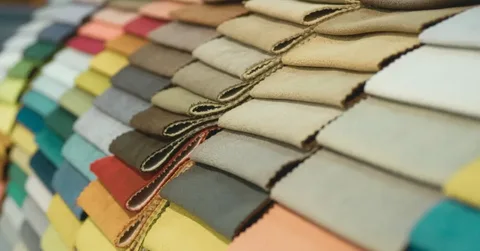
The most immediate difference between cheap and luxury T-shirts lies in the material itself. Fabric determines how a shirt feels, how long it lasts, and how it behaves after repeated use and washing.
Lower-priced shirts often prioritize mass production efficiency, while luxury brands focus on premium fibers and sourcing transparency.
- Budget shirts use blended or lower-grade cotton
- Luxury shirts often use long-staple or organic cotton
- Premium fabrics undergo stricter quality control
Why Fiber Length and Weave Matter
Longer cotton fibers create smoother, stronger fabric with fewer rough edges. This leads to a softer feel and better durability over time.
Short-staple fibers, commonly used in cheaper shirts, tend to pill faster and lose shape after multiple washes, affecting long-term wearability.
Manufacturing Processes and Labor Conditions
Beyond fabric, production methods play a major role in pricing differences. The cost of labor, factory conditions, and production scale all influence how much a T-shirt ultimately costs.
Fast fashion focuses on speed and volume, while luxury production emphasizes precision and controlled environments.
- Low-cost shirts are mass-produced in high-volume factories
- Luxury shirts are often made in smaller, specialized workshops
- Ethical labor standards vary significantly between price ranges
The Hidden Cost of Speed Production
Fast production cycles allow brands to release new collections quickly, but this efficiency often comes at the expense of craftsmanship and labor transparency.
Higher-priced garments usually involve more careful stitching, inspection, and quality assurance before reaching the consumer.
Branding, Identity, and Psychological Value
A significant portion of a luxury T-shirt’s price is not physical—it is psychological. Branding plays a powerful role in shaping how consumers perceive value.
A $1,000 T-shirt is often more about identity and status than material difference.
- Luxury brands invest heavily in storytelling and image
- Logos and brand heritage influence perceived value
- Consumers associate price with exclusivity
How Perception Shapes Fashion Value
People often assume expensive clothing is automatically better, even before evaluating quality. This perception is carefully built through marketing, celebrity endorsements, and controlled brand narratives.
In contrast, a $10 T-shirt may offer similar comfort but lacks the symbolic prestige attached to luxury branding.
Design, Creativity, and Exclusivity
Design complexity also contributes to price differences. Luxury T-shirts often feature unique cuts, limited editions, or artistic collaborations, while cheaper shirts rely on standardized patterns.
Creativity and exclusivity significantly influence how fashion is valued in the market.
- Luxury designs often involve limited production runs
- High-end shirts may include artist collaborations
- Budget shirts prioritize simplicity and scalability
The Value of Limited Availability
Scarcity increases desirability. When only a few pieces are produced, consumers perceive higher exclusivity, which justifies higher pricing even if material costs are not drastically different.
This strategy is a key driver of luxury fashion pricing models.
Sustainability and Ethical Production Practices
Sustainability is becoming a major factor in clothing pricing. Ethical sourcing, eco-friendly materials, and responsible manufacturing increase production costs but reduce environmental impact.
Many low-cost T-shirts prioritize affordability over sustainability.
- Sustainable brands use eco-certified materials
- Ethical production increases labor and operational costs
- Fast fashion contributes to environmental waste
Why Ethical Fashion Costs More
Fair wages, safe working conditions, and sustainable sourcing require more investment. These factors are reflected in the final price of the garment.
Consumers who pay more for ethical clothing are indirectly supporting responsible production practices.
Durability and Long-Term Value
Another major difference between $10 and $1,000 T-shirts is how long they last. While cheaper shirts may seem economical, they often wear out faster, requiring frequent replacement.
Luxury T-shirts are designed for longevity and repeated wear.
- Premium shirts retain shape after multiple washes
- Budget shirts may shrink or fade quickly
- Long-term cost may balance out over time
Cost Per Wear Perspective
A higher-priced T-shirt may actually become more economical if it lasts significantly longer. When evaluated per wear, luxury clothing can sometimes offer better long-term value than cheaper alternatives.
Consumer Behavior and Fashion Choices
People choose clothing based on more than logic. Emotional attachment, social influence, and personal identity all play roles in purchasing decisions.
The same T-shirt can mean completely different things depending on who wears it and why.
- Fashion choices reflect personal identity and lifestyle
- Social influence affects purchasing decisions
- Price often signals perceived quality
Why We Attach Meaning to Clothing
Clothing is not just functional—it communicates personality, confidence, and belonging. This emotional layer often explains why consumers are willing to pay significantly more for certain brands.
The Real Economics Behind T-Shirt Pricing
When breaking down costs, a large portion of a luxury T-shirt’s price comes from factors beyond production. Marketing, retail positioning, logistics, and brand value all contribute.
The actual manufacturing difference between cheap and expensive shirts is often smaller than expected.
- Marketing and branding increase final retail price
- Distribution channels affect cost structure
- Retail positioning defines target audience
What You Are Actually Paying For
In many cases, consumers are paying for experience, perception, and brand ecosystem rather than just fabric and stitching.
This is where fashion becomes less about clothing and more about storytelling.
Conclusion:
The difference between a $10 and a $1,000 T-shirt goes far beyond fabric or stitching quality. It reflects a complex combination of materials, labor, branding, sustainability, and consumer psychology. While one focuses on affordability and scale, the other emphasizes exclusivity, craftsmanship, and identity.
Neither option is inherently better—they simply serve different purposes in the fashion ecosystem. Understanding what you are truly paying for helps you make more conscious and intentional fashion choices.
FAQs
1. Why is there such a big price difference between T-shirts?
The difference comes from materials, labor practices, branding, design exclusivity, and marketing strategies, not just production cost.
2. Are expensive T-shirts always better quality?
Not always. While they often use better materials and construction, some of the price comes from branding rather than functionality.
3. Can cheap T-shirts last long?
Yes, but typically they wear out faster compared to higher-quality garments, especially after multiple washes.
4. Why do people buy expensive T-shirts?
People buy them for brand identity, exclusivity, social status, and perceived quality.
5. Is expensive fashion more sustainable?
Often yes, because higher-end brands may use ethical sourcing and sustainable production methods, though not always.
⚡ The Way You See Clothing Is Changing — And Fast
The fashion industry is shifting rapidly as consumers become more aware of what goes into the clothes they wear. Pricing is no longer just a number—it reflects choices about ethics, identity, sustainability, and global production systems.
Every purchase today is part of a much larger conversation about how fashion is made and what it represents. As transparency increases, brands that fail to explain their value will struggle to stay relevant.
The next time you pick a T-shirt, you are not just choosing fabric—you are choosing a story, a system, and a set of values that shape the future of fashion itself.