
For years, fitness has been tied to the idea of long gym sessions, detailed workout plans, and finding a full hour somewhere in an already packed schedule. It’s a routine that works for some people, but for many, it’s also the reason exercise keeps getting pushed to tomorrow. Between work, commuting, family responsibilities, and the endless list of daily tasks, finding uninterrupted time isn’t always realistic.
A different approach has quietly gained momentum, and it isn’t asking people to completely change their lives. Instead of setting aside large blocks of time, it encourages small bursts of movement spread throughout the day. These “snack-sized workouts” are changing the way people think about exercise because they remove one of the biggest barriers to staying active: time.
The idea isn’t to replace every structured workout with five-minute sessions. It’s about recognizing that movement adds up. A few minutes of bodyweight exercises before breakfast, a brisk walk after lunch, or climbing stairs between meetings can contribute to better health without disrupting your schedule.
Researchers have also begun paying closer attention to these short bouts of activity. While a marathon training session and a three-minute walk aren’t equivalent, evidence suggests that frequent movement throughout the day can support cardiovascular health, improve mood, and reduce the negative effects of prolonged sitting. For many people, that’s a far more achievable starting point than committing to an hour-long workout every evening.
What Are Snack-Sized Workouts?
Snack-sized workouts, often called exercise snacks or fitness snacks, are brief periods of physical activity that usually last anywhere from one to ten minutes.
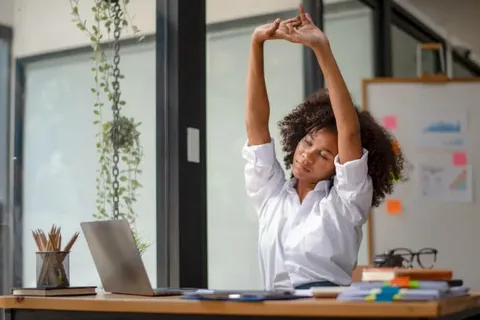
Instead of viewing exercise as a single event, this approach treats movement as something that can naturally fit into different parts of the day. You might do squats while waiting for your coffee, stretch between meetings, or take a quick walk after finishing lunch.
What counts as a snack workout?
- Walking briskly for five minutes.
- Climbing several flights of stairs.
- Bodyweight squats.
- Push-ups against a wall or desk.
- Jump rope.
- Yoga stretches.
- Lunges.
- Dancing to one favorite song.
The goal isn’t intensity every time. It’s consistency.
Why This Trend Is Growing
One reason snack workouts have become popular is that they match how people actually live.
Many adults spend long hours sitting at desks, attending virtual meetings, or commuting. By the end of the day, motivation for a full workout is often low. Short sessions feel less intimidating and easier to repeat.
Social media has also helped spread the idea. Fitness creators now share realistic routines that fit into lunch breaks, study sessions, or even television commercials, making exercise seem more accessible than ever.
Why people are embracing micro fitness
| Reason | Benefit |
| Busy schedules | Easier to fit into daily life |
| No gym required | Can be done almost anywhere |
| Lower mental barrier | Feels less overwhelming |
| Flexible timing | Fits different routines |
| Beginner-friendly | Easy starting point |
Instead of waiting for the “perfect” time to exercise, people simply move whenever an opportunity appears.
The Science Behind Small Bursts of Movement
Physical activity doesn’t have to happen all at once to be valuable.
Research suggests that accumulating moderate movement throughout the day can contribute to better heart health, improved blood sugar regulation, and increased daily energy expenditure. Short sessions also interrupt long periods of sitting, which has become an important focus in public health research.
While longer workouts remain beneficial, movement spread across the day still counts toward overall activity levels.
Potential health benefits
- Improved circulation.
- Better energy levels.
- Increased calorie expenditure.
- Reduced sedentary time.
- Improved mood.
- Better blood sugar control.
- More consistent movement habits.
The biggest advantage may be that people are more likely to stick with a routine they can actually maintain.
Snack Workouts vs Traditional Workouts
Snack-sized workouts and traditional workouts serve different purposes.
A structured gym session allows for progressive strength training, endurance work, or sport-specific goals. Snack workouts focus on building consistency, increasing movement, and reducing inactivity.
Rather than competing, the two approaches often complement each other.
Comparison
| Snack Workouts | Traditional Workouts |
| 1 to 10 minutes | 30 to 90 minutes |
| Flexible timing | Planned schedule |
| Little or no equipment | May require equipment |
| Easy to repeat daily | Usually fewer sessions each week |
| Focus on movement | Focus on structured training |
Many people combine both approaches to create a balanced fitness routine.
Small Habits Create Bigger Changes
One of the biggest reasons people quit exercise is that they start too aggressively.
Committing to daily hour-long workouts sounds motivating at first, but it can quickly become difficult to maintain. Missing one session often leads to missing several more.
Snack workouts work differently. Because each session feels manageable, there’s less pressure and more opportunity to build momentum.
Simple ways to build the habit
- Walk while taking phone calls.
- Stretch every hour.
- Do ten squats before meals.
- Take the stairs instead of the elevator.
- Add a five-minute walk after dinner.
- Perform desk exercises between meetings.
Small actions repeated consistently often become automatic habits.
Who Benefits Most?
Snack workouts aren’t just for beginners.
Students, office workers, parents, older adults, and frequent travelers can all benefit from adding more movement to their day. They’re especially useful for people who struggle to find uninterrupted exercise time.
Athletes can also use short movement breaks to improve mobility and stay active on recovery days.
Ideal for
- Busy professionals.
- Remote workers.
- Students.
- Parents.
- Frequent travelers.
- Older adults.
- Beginners returning to exercise.
The flexibility makes this approach appealing across different lifestyles.
Easy Snack Workout Ideas for Every Part of the Day
One of the biggest advantages of micro workouts is that they don’t require perfect timing. Instead of rearranging your schedule, you simply attach movement to activities you’re already doing.
This makes the habit much easier to maintain because you’re building on routines that already exist rather than creating entirely new ones.
Snack workout ideas
| Time of Day | Workout Idea | Time Needed |
| Morning | 20 bodyweight squats and light stretching | 5 minutes |
| Before work | Brisk walk around the block | 10 minutes |
| Mid-morning | Stair climbing | 3 to 5 minutes |
| Lunch break | Fast-paced walk | 10 minutes |
| Afternoon | Desk stretches and lunges | 5 minutes |
| Evening | Yoga flow or core exercises | 10 minutes |
Even fitting in two or three of these sessions can noticeably increase your daily activity.
Common Mistakes to Avoid
Snack workouts are simple, but there are still habits that can reduce their effectiveness.
Many people either expect instant results or treat every short workout like an intense training session. Neither approach is sustainable.
Instead, focus on building consistency first. Once movement becomes part of your day, you can gradually increase intensity or duration if your goals require it.
Avoid these mistakes
- Skipping warm-up movements before intense exercises.
- Doing too much too soon.
- Comparing short workouts to marathon gym sessions.
- Forgetting to stay hydrated.
- Sitting for hours after one quick workout.
- Ignoring proper exercise form.
Remember that frequency often matters more than perfection.
How Snack Workouts Support Mental Well-Being
Physical activity doesn’t only benefit your muscles and heart.
Even brief movement breaks can help reset your mind during a stressful day. Standing up, stretching, or walking for a few minutes can reduce mental fatigue and make it easier to return to work feeling refreshed.
Many people also notice that regular movement helps break the cycle of afternoon energy slumps.
Mental wellness benefits
| Benefit | How It Helps |
| Better focus | Refreshes attention between tasks |
| Reduced stress | Encourages movement during busy days |
| Improved mood | Physical activity supports feel-good brain chemicals |
| More energy | Breaks up long periods of sitting |
| Better productivity | Helps prevent mental burnout |
Sometimes five minutes away from your desk is exactly what your brain needs.
Can Snack Workouts Help With Weight Management?
No single workout determines weight loss.
Managing body weight depends on overall physical activity, nutrition, sleep, and long-term habits. Snack workouts aren’t a shortcut, but they can increase daily energy expenditure and reduce the amount of time spent sitting.
For someone who rarely exercises, several short sessions each day can make a meaningful difference over time.
Healthy habits that work well together
- Regular snack workouts.
- Balanced meals.
- Adequate sleep.
- Strength training several times each week.
- Daily walking.
- Good hydration.
These habits reinforce one another and are generally easier to maintain than relying on one dramatic lifestyle change.
Building a Sustainable Routine
The best fitness routine is the one you’ll actually continue.
Snack workouts remove much of the pressure associated with traditional exercise because they fit naturally into everyday life. Instead of waiting for motivation, you simply create small opportunities to move.
Over weeks and months, these moments can become automatic parts of your routine.
Tips for staying consistent
- Start with one movement break each day.
- Link workouts to existing habits.
- Keep comfortable shoes nearby.
- Set gentle reminders if needed.
- Celebrate consistency instead of perfection.
- Increase activity gradually.
Small wins often lead to lasting habits.
Frequently Asked Questions
1. What is a snack-sized workout?
A snack-sized workout is a short burst of physical activity that typically lasts between one and ten minutes. These sessions can be spread throughout the day instead of completed all at once.
2. Are short workouts actually effective?
Yes. Research suggests that regular movement throughout the day can support heart health, reduce sedentary time, improve energy levels, and contribute to overall physical activity.
3. Do I need equipment?
No. Many snack workouts use bodyweight exercises such as squats, lunges, push-ups, stretching, or brisk walking.
4. Can snack workouts replace gym sessions?
They can increase daily movement, but they may not fully replace structured strength training or endurance workouts if you have specific fitness goals. Many people combine both approaches.
5. Who should try snack workouts?
Almost anyone can benefit, especially busy professionals, students, parents, remote workers, beginners, and people who spend long hours sitting.
Conclusion:
Snack-sized workouts prove that staying active doesn’t always require a gym membership or an hour of free time. By adding small bursts of movement throughout the day, you can build healthier habits, reduce long periods of sitting, and make exercise feel like a natural part of everyday life instead of another task on your to-do list.
Call to Action
Choose one five-minute movement break today and repeat it every day this week. Once it becomes second nature, add another. Fitness doesn’t have to begin with a major lifestyle overhaul. Sometimes the smallest habit is the one that lasts the longest.