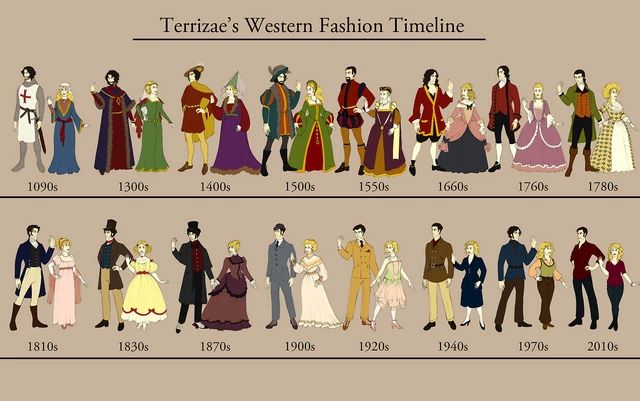

Fashion today is deeply connected to the idea of trends. What people wear often shifts with seasons, cultural movements, celebrity influence, and digital platforms that accelerate style cycles. Trends guide not only what is popular but also how designers create and how consumers choose.
But imagining a world without trends opens a different perspective on clothing altogether. In such a world, fashion would not move in waves of popularity but in continuous personal expression. Each outfit would exist outside of comparison, free from seasonal influence or collective direction.
This shift in thinking reveals fashion not as a cycle of change but as a permanent reflection of individuality and human creativity.
Fashion Without Trends: A World of Pure Individual Style
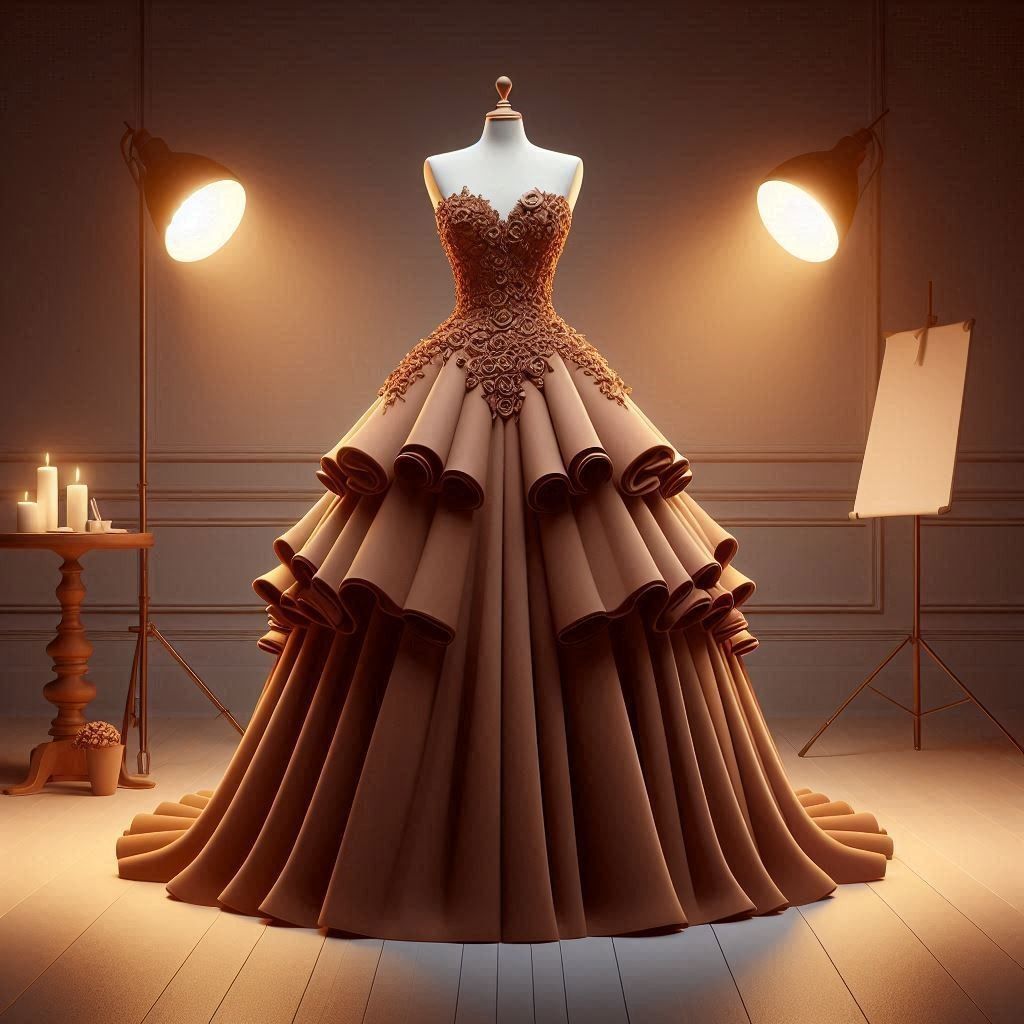
If trends never existed, clothing would become an entirely personal language. People would dress based on comfort, identity, culture, and emotion rather than external influence or seasonal popularity.
Fashion would no longer be synchronized globally but would evolve uniquely for each person.
- Clothing choices would reflect personal identity only
- Seasonal collections would lose relevance
- Designers would focus on individuality over mass appeal
How Personal Expression Would Replace Trend Culture
Without trends, fashion would stop being a shared direction and become a personal journey. Every outfit would tell a unique story shaped by the wearer rather than the market.
Style would become less about fitting in and more about self-definition, creating infinite variations of clothing expression.
The Role of Designers in a Trend-Free Fashion World
Designers in a world without trends would operate very differently. Instead of forecasting what will be popular, they would focus on crafting timeless, adaptable, and deeply personal pieces.
Their role would shift from predicting demand to interpreting individuality.
- Designers would create customizable clothing systems
- Focus would shift toward long-lasting design value
- Creativity would prioritize uniqueness over repetition
Designing for Individuals Instead of Mass Audiences
In this scenario, fashion houses would likely function more like creative studios offering personalized design services rather than seasonal collections.
Each garment might be co-created with the wearer, making fashion a collaborative experience.
Consumer Behavior Without Fashion Trends
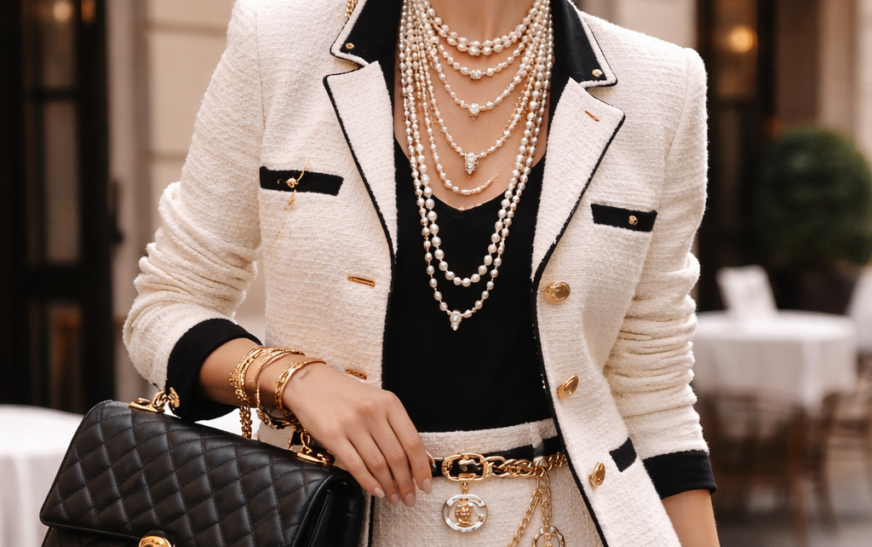
Without trends, consumer behavior would shift significantly. People would no longer chase what is “in style” but instead focus on what resonates with their personality, lifestyle, and emotional comfort.
Purchasing decisions would become more intentional and less influenced by external pressure.
- Clothing purchases would be less frequent but more meaningful
- Personal comfort would outweigh popularity
- Wardrobes would become more stable and long-term
Emotional Connection Over Social Influence
Without trend cycles, clothing would no longer serve as a signal of being “up to date.” Instead, emotional connection and functionality would become the primary drivers of choice.
People would likely form deeper relationships with their clothing pieces over time.
Fashion Industry Transformation in a Non-Trend System
The global fashion industry today relies heavily on trend forecasting and seasonal cycles. Without trends, this entire system would need to be restructured.
Production, marketing, and retail models would shift toward customization and longevity.
- Seasonal collections would be replaced with timeless lines
- Marketing would focus on individuality rather than popularity
- Production cycles would slow down significantly
From Fast Fashion to Personal Fashion Systems
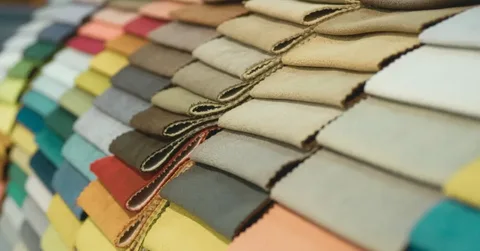
Fast fashion depends on rapid trend changes. Without trends, the industry might evolve toward made-to-order systems or modular clothing that adapts to different needs.
Fashion would become less about consumption cycles and more about long-term utility.
Cultural Identity and Fashion Without Trends
Fashion is often influenced by global trends, but without them, cultural identity would play a much stronger role in shaping clothing styles.
Each culture would develop its fashion language independently without external influence.
- Traditional clothing styles would remain more dominant
- Global fashion homogenization would decrease
- Cultural diversity in clothing would increase significantly
How Local Identity Would Shape Global Fashion
Without trends spreading across borders, fashion would become more localized. People would draw inspiration primarily from their heritage, environment, and community.
This would result in a more diverse and culturally rich fashion landscape.
Creativity and Innovation Without Trend Pressure
Trends often guide creativity by setting boundaries for what is considered acceptable or desirable. Without them, designers would have complete creative freedom.
This could lead to both extreme experimentation and deeply personal design philosophies.
- Designers would explore more unconventional ideas
- Innovation would be driven by curiosity rather than demand
- Fashion could become more artistic and expressive
Freedom Versus Direction in Fashion Design
While trends provide structure, their absence would remove creative limitations. This could lead to highly experimental fashion forms that prioritize expression over market acceptance.
Designers would rely more on imagination than forecasting tools.
Sustainability in a Trend-Free Fashion World
One of the most significant impacts of removing trends would be on sustainability. Without constant style changes, clothing production could become more stable and environmentally conscious.
Fashion consumption would likely decrease in volume but increase in quality.
- Reduced overproduction due to fewer seasonal demands
- Longer-lasting garments become standard
- Waste from discarded trends would decrease significantly
How Timeless Fashion Supports Sustainability
Without trends driving constant change, clothing would be designed for durability and long-term relevance. This shift could significantly reduce environmental pressure from the fashion industry.
Sustainability would become a natural outcome of timeless design.
Digital Fashion in a World Without Trends
Even in a trend-free world, digital fashion would likely still exist, but its purpose would change. Instead of reflecting global trends, digital clothing would focus entirely on personal expression.
Virtual fashion spaces would become more individualized.
- Digital clothing would be fully customizable
- Virtual wardrobes would reflect personality, not trends
- Fashion experimentation would increase in digital spaces
How Technology Would Redefine Style Freedom
Without trends, digital platforms would become the ultimate space for experimentation. Users could create unique identities without external influence.
This would make fashion even more personal in virtual environments.
FAQs
1. What would fashion look like without trends?
Fashion would become highly individual, with people choosing clothing based on personal identity rather than popularity or seasonal influence.
2. Would designers still exist without trends?
Yes, designers would focus more on personalized, timeless, and customizable clothing instead of seasonal collections.
3. How would consumer behavior change without trends?
People would buy fewer clothes but invest more in meaningful, long-lasting garments that reflect personal style.
4. Would fashion become more sustainable without trends?
Yes, reduced production cycles and fewer discarded styles would significantly improve sustainability in fashion.
5. Would fashion become boring without trends?
Not necessarily. It could become more creative and diverse as individuals express themselves without external limitations.
Conclusion:
If fashion had no trends, it would transform into a deeply personal and expressive system where individuality replaces collective direction. Clothing would no longer move in cycles of popularity but would instead reflect stable identity, culture, and emotional connection.
Designers would become creators of personalized experiences rather than seasonal collections, and consumers would engage with fashion in a more intentional and meaningful way. The industry itself would shift toward sustainability, longevity, and creative freedom.
Fashion, in this world, would not disappear—it would simply become more personal, more permanent, and more human.
⚡ Fashion Is Already Moving Beyond Trends — The Shift Is Starting Now
The fashion world is already showing signs of change. Personalization, digital fashion, and sustainable design are slowly challenging the traditional trend cycle. What once felt like a fixed system is now becoming more fluid and individual-driven.
This transformation is happening gradually, but its direction is clear. Fashion is moving toward a space where personal expression matters more than seasonal influence. Those who recognize this shift early will naturally align with the next phase of style evolution.
The question is no longer what trends will come next but whether trends will define fashion at all in the future.