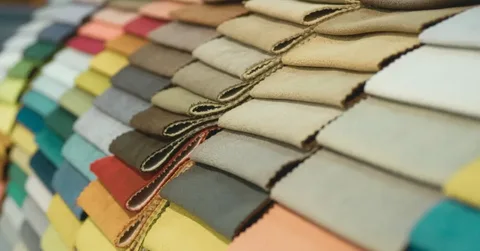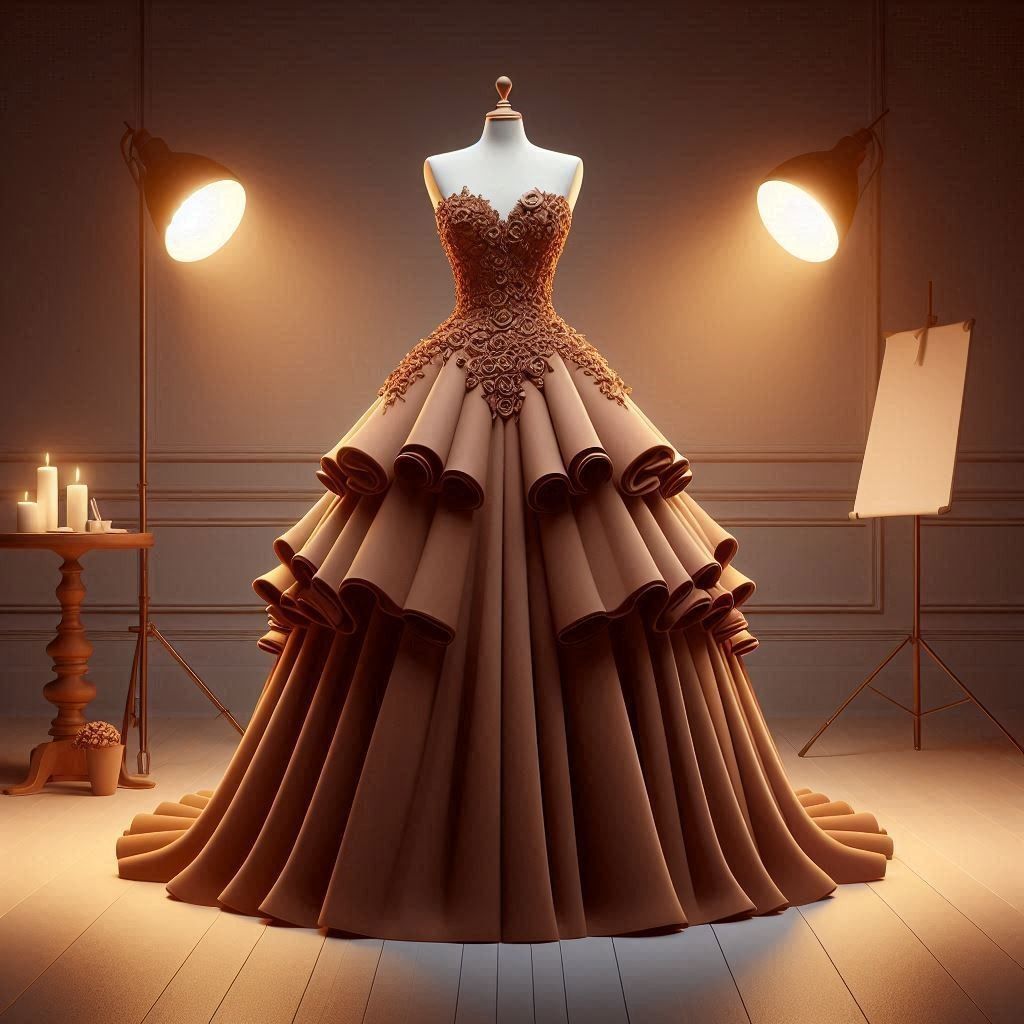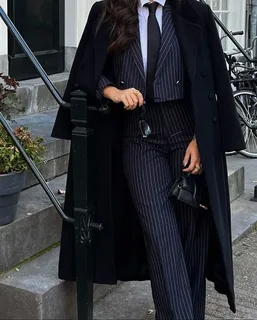

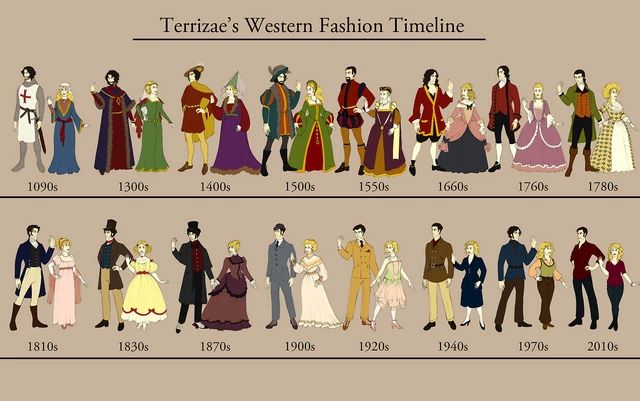
Clothing is often treated as something practical—something we wear to cover, protect, or style ourselves. But beneath the surface, every piece of fabric carries traces of human history. The way clothes are made, worn, and reused reflects centuries of cultural evolution, trade, technology, and personal identity.
If clothes could speak, they would describe journeys across continents, shifts in social structures, and the rise of entire industries built around fabric and design. A simple shirt might tell a story of factory floors and global supply chains, while a traditional garment could speak of heritage passed through generations.
Fashion, in this sense, becomes more than style—it becomes memory stitched into material form.
The Origins of Clothing: Survival Before Style
The earliest clothing was created not for expression, but for survival. Early humans used available natural materials to protect themselves from environmental conditions, but even these basic garments began to reflect identity and culture over time.
As societies formed, clothing slowly shifted from necessity to meaning.
- Animal skins and plant fibers formed early garments
- Clothing adapted to climate and geography
- Early attire began distinguishing groups and roles
How Early Clothing Became Identity
As communities evolved, clothing started signaling more than protection. Patterns, materials, and styles began to reflect belonging, status, and tradition. Even in ancient civilizations, clothing silently communicated social structure.
This was the beginning of fashion as a language—one that did not need words to be understood.
Industrial Revolution: When Clothing Became Mass-Produced
The Industrial Revolution marked a turning point in fashion history. Clothing production moved from handcrafted tailoring to machine-based manufacturing, making garments faster and more widely available than ever before.
This shift transformed clothing into a global commodity.
- Sewing machines accelerated garment production
- Standard sizes replaced custom tailoring
- Clothing became accessible to broader populations
The Rise of Machine-Made Fashion Systems
With machines handling production, clothing lost some individuality but gained scale. Factories began producing large quantities of garments for growing urban populations.
This era laid the foundation for modern fashion industries driven by efficiency and global distribution.
Denim Jeans: A Garment That Traveled Through Time
Few clothing items have experienced as dramatic a transformation as denim jeans. Originally designed as durable workwear, jeans have become one of the most universal fashion pieces across the globe.
Their journey reflects cultural change, rebellion, and mass adoption.
- Created for workers and miners
- Became symbols of youth culture and rebellion
- Now worn across nearly all social groups worldwide
Why Jeans Became a Cultural Symbol
Jeans gained popularity because they adapted to different identities and eras. From Hollywood icons to protest movements, denim became a symbol of freedom and individuality.
If jeans could talk, they would describe stories of labor, rebellion, and everyday life across generations.
Luxury Fashion: Clothing as Identity and Power
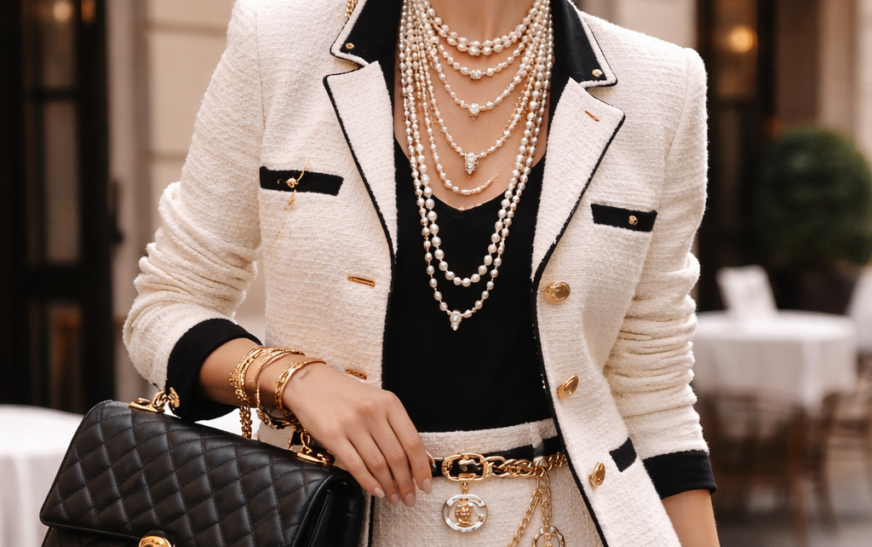
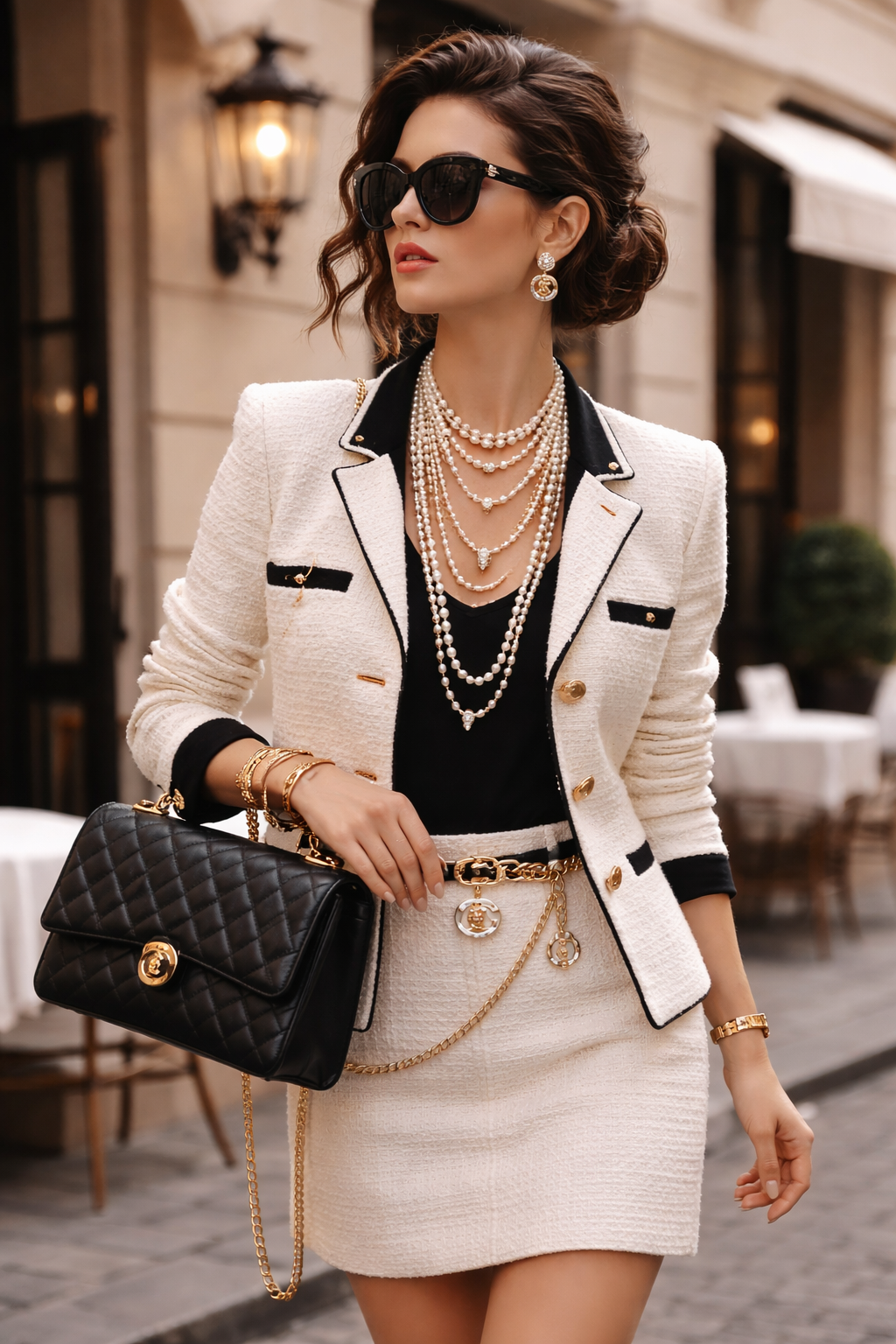
Luxury fashion represents more than clothing—it represents status, identity, and cultural storytelling. High-end garments often carry craftsmanship, exclusivity, and heritage embedded into their design.
These pieces communicate meaning even before they are worn.
- Luxury brands emphasize storytelling and heritage
- Handcrafted details highlight skilled artisanship
- Exclusivity increases perceived cultural value
The Language of Status in Fashion
Luxury clothing often functions as a social signal. The materials, branding, and rarity all contribute to how it is perceived in society.
These garments tell stories of prestige and identity, shaping how individuals are viewed within social spaces.
Fast Fashion: The Speed of Modern Clothing
Fast fashion represents one of the most significant shifts in clothing history. It focuses on rapid production, low cost, and trend replication, making fashion more accessible but also more disposable.
This system reflects modern consumption habits.
- Rapid production follows global fashion trends
- Low pricing encourages frequent purchases
- Short clothing lifespans increase turnover
The Hidden Lifecycle of Fast Fashion
Fast fashion garments are designed to move quickly through production and consumption cycles. While they reflect current trends, they often lack durability and long-term value.
If these clothes could speak, they might tell stories of speed, demand, and constant reinvention.
Cultural Fashion: Clothing as Social Expression
Fashion has always been deeply connected to cultural identity and social movements. Clothing often reflects political change, artistic expression, and collective identity.
Different styles emerge as responses to cultural shifts and generational voices.
- Clothing reflects political and cultural identity
- Subcultures use fashion to express belonging
- Styles evolve with social movements and ideas
How Fashion Becomes a Voice for Society
Certain garments become symbols of change. From traditional attire to modern streetwear, fashion often communicates values that go beyond appearance.
Clothing becomes a silent but powerful way of expressing identity and belief.
Sustainability: The Future Story of Clothing
Modern fashion is increasingly shaped by sustainability concerns. As awareness grows, clothing production is evolving to reduce environmental impact and improve ethical standards.
This shift is becoming part of fashion’s ongoing history.
- Sustainable materials reduce environmental harm
- Ethical production improves labor conditions
- Conscious consumption is rising globally
How Sustainability Redefines Fashion History
Future clothing will not only be remembered for style but also for its environmental and ethical footprint. Sustainability is becoming a defining chapter in fashion’s evolution.
The clothes we wear today are shaping how future generations will understand our time.
FAQs
1. What does it mean when we say clothes have a history?
It means every garment reflects cultural, economic, and social conditions from the time and place it was made and worn.
2. How did clothing evolve from survival to fashion?
Clothing started as protection from weather and gradually became a form of identity, status, and cultural expression as societies developed.
3. Why is denim so important in fashion history?
Denim represents a shift from workwear to global fashion, symbolizing rebellion, youth culture, and everyday wear across generations.
4. What role does fast fashion play in modern society?
Fast fashion makes clothing affordable and trend-driven but also raises concerns about sustainability and environmental impact.
5. How does fashion reflect culture and identity?
Fashion reflects culture through styles, fabrics, and traditions that express social values, beliefs, and group identity.
Conclusion:
If clothes could talk, they would reveal a rich and complex history shaped by human creativity, cultural evolution, and global industry. Every garment carries traces of its origin—whether it comes from ancient traditions, industrial factories, luxury ateliers, or fast fashion systems.
Fashion is not just about appearance; it is a living record of society. Each piece of clothing reflects a moment in time, capturing the values, technologies, and identities of the people who created and wore it. Understanding this transforms how we see everyday fashion—it becomes history we actively wear.
⚡ Fashion Is Already Writing Its Next Chapter—Be Part of It Now
Clothing is no longer just a reflection of history—it is actively shaping the future. Every purchase, every style choice, and every trend contributes to an evolving narrative that defines the world we live in today. Fashion is moving faster than ever, driven by culture, technology, and global change.
What you wear is already part of a larger story unfolding in real time. The only question is whether you are observing it from the outside or becoming part of the history being written right now.