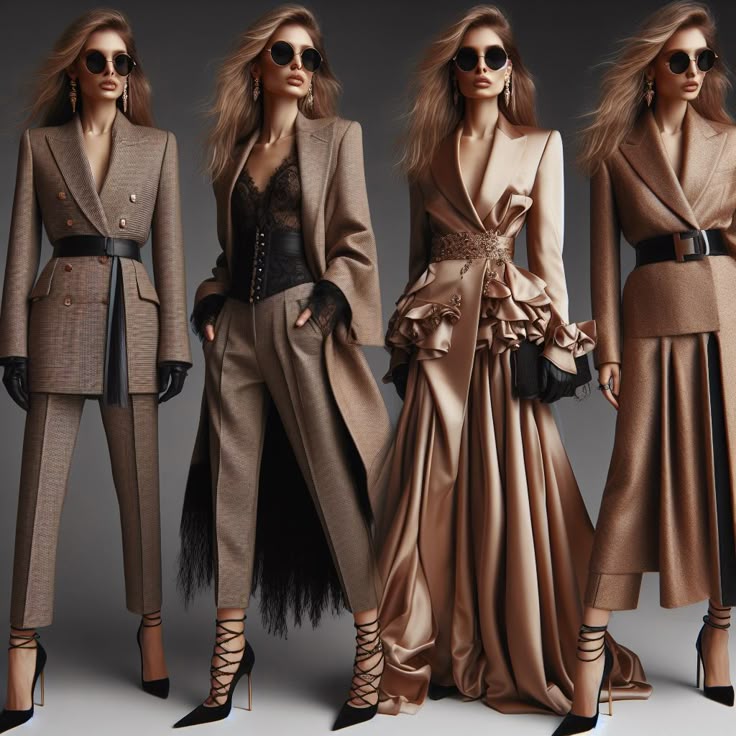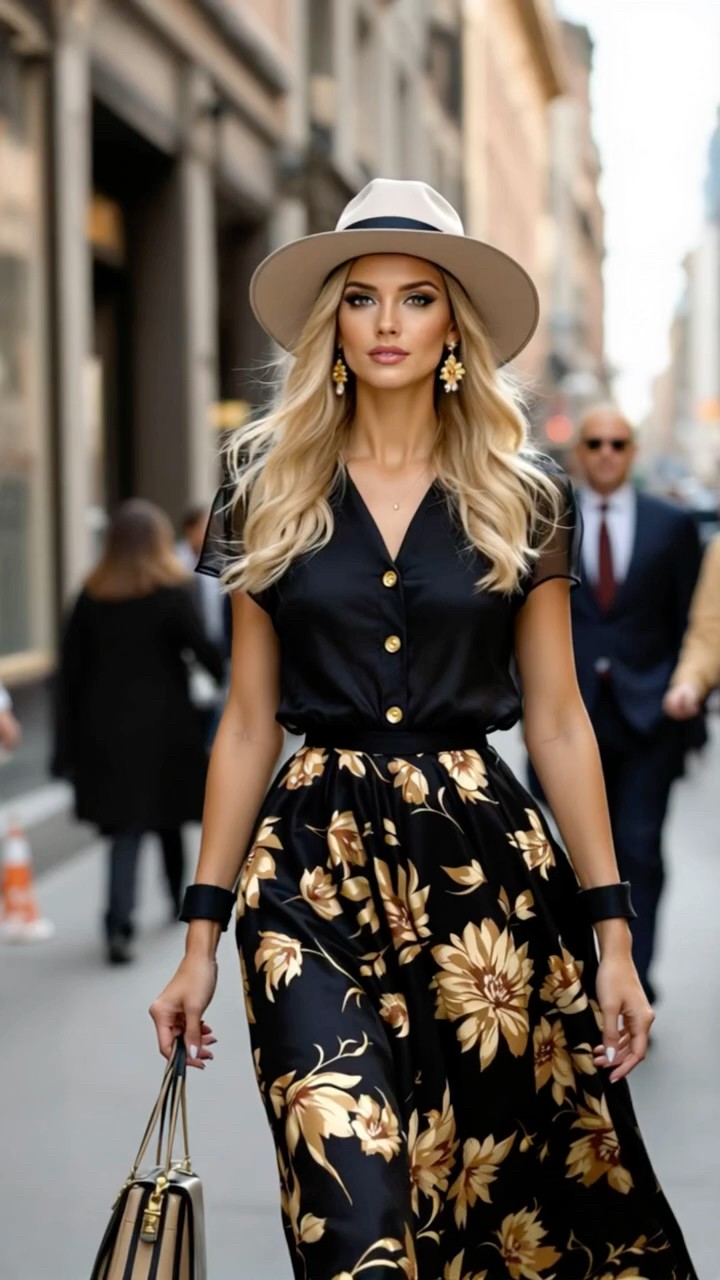

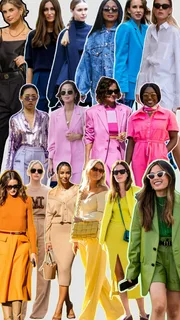
The fashion industry is entering a decisive decade in which traditional systems are being rebuilt by technology, sustainability demands, and rapidly evolving consumer expectations. By 2030, fashion will no longer be defined only by seasonal collections or physical retail dominance. Instead, it will function as a hybrid ecosystem where digital innovation, environmental responsibility, and data-driven decision-making shape every stage of production and consumption.
This transformation is not happening in isolation—it is being driven by global shifts in behavior and economics. Consumers are more informed, more connected, and more selective than ever before. As a result, fashion businesses are being forced to rethink how they design products, manage supply chains, and interact with audiences. The industry is moving toward a future where adaptability is not optional, but essential for survival.
AI-Powered Fashion Design and Forecasting
Artificial intelligence is becoming a central force in how fashion brands operate, from predicting trends to optimizing entire production cycles. Instead of relying solely on human intuition or historical fashion cycles, companies are now using predictive algorithms to understand what consumers will want months in advance.
This shift is helping brands reduce uncertainty and improve efficiency across design and inventory management.
- AI predicts color trends, silhouettes, and fabric demand
- Machine learning reduces overproduction and excess stock
- Design software generates rapid prototypes for collections
AI as a Creative and Strategic Partner
AI is not replacing designers but enhancing their capabilities. Designers now work alongside intelligent systems that analyze global data from social media, runway shows, and retail patterns. This collaboration allows creative teams to experiment faster while staying aligned with market demand.
At the same time, AI is becoming a strategic tool for executives. It helps brands decide what to produce, when to launch, and how to price products. This level of precision was not possible in traditional fashion cycles, making AI a major competitive advantage.
Rise of Sustainable and Circular Fashion Models
Sustainability is no longer a niche movement—it is becoming a structural requirement for fashion businesses. Environmental concerns, regulatory pressures, and consumer awareness are pushing brands to redesign how garments are produced and consumed.
Circular fashion models are gaining momentum as they focus on reducing waste and extending product life cycles.
- Increased use of recycled and biodegradable fabrics
- Expansion of resale, rental, and upcycling platforms
- Supply chain redesign to minimize carbon emissions
Redefining Fashion Through Circular Systems
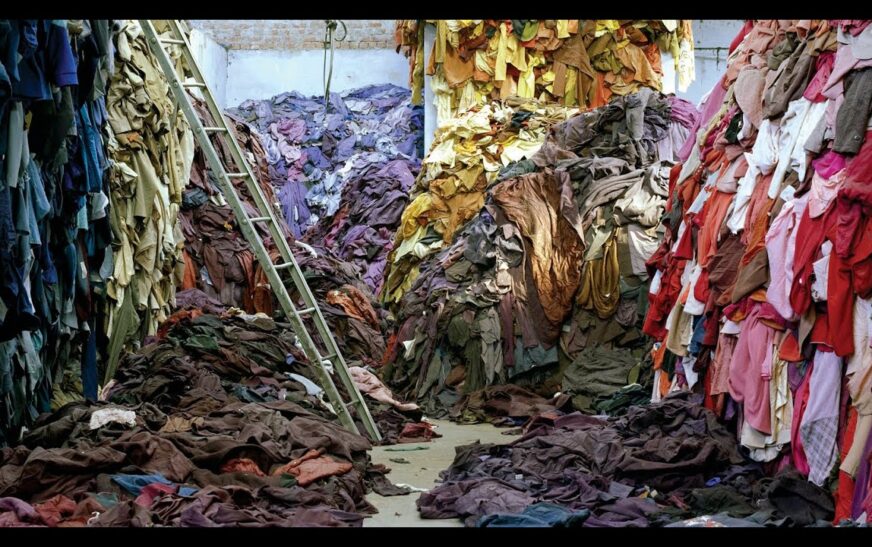
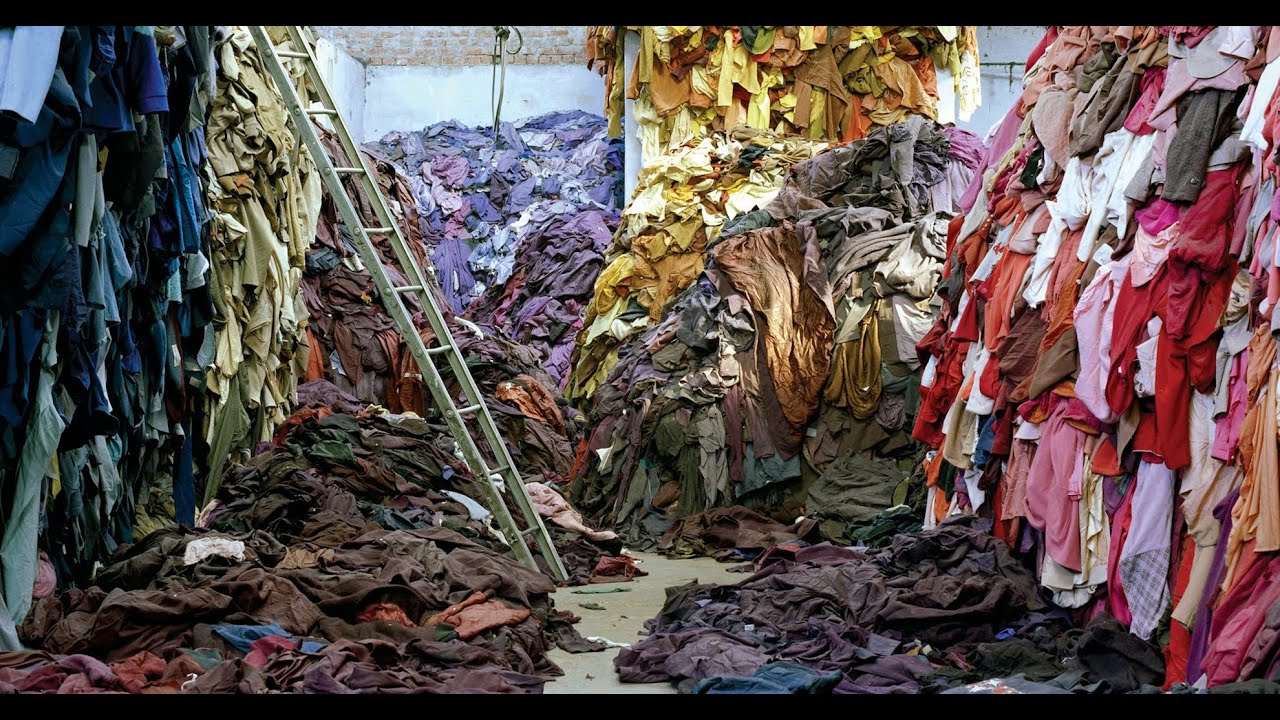
Circular fashion challenges the traditional “take, make, waste” model by introducing systems where clothing is continuously reused and regenerated. Brands are now investing in repair services, second-hand marketplaces, and material innovation to reduce environmental impact.
This approach is also reshaping brand identity. Companies are no longer judged only by style and price but also by their environmental footprint and ethical responsibility. As a result, sustainability has become a core business driver rather than a marketing angle.
Digital Fashion and Virtual Clothing Ecosystems
Digital fashion is rapidly emerging as a new frontier where clothing exists entirely in virtual environments. This includes garments designed for social media, gaming platforms, and immersive digital spaces. It eliminates physical production constraints and opens new creative possibilities.
Brands are increasingly experimenting with virtual-only collections to engage digital-first audiences.
- Virtual outfits used in gaming and metaverse platforms
- Influencer-driven digital fashion campaigns
- NFT-based limited digital clothing releases
Expanding Identity in Virtual Worlds
Digital fashion allows individuals to express identity without physical limitations. Users can wear outfits that defy material constraints, gravity, or real-world physics. This creates a new form of personal branding where identity becomes fluid and highly customizable.
For fashion companies, this opens a new revenue stream that does not rely on manufacturing or logistics. Instead, value is created through design creativity and digital exclusivity, making fashion more scalable than ever before.
Hyper-Personalization Through Data and Consumer Insights
Fashion is shifting from mass production to individual-level personalization. With advanced data analytics, brands can now understand customer preferences in detail and deliver tailored shopping experiences.
This evolution is redefining how products are designed, marketed, and sold.
- AI-driven product recommendations based on behavior
- Custom-fit clothing using body scanning technology
- Personalized marketing campaigns and dynamic pricing
The Rise of Predictive Consumer Experiences
Instead of reacting to demand, fashion brands are now predicting it. Data from browsing behavior, purchase history, and social engagement helps companies anticipate what a customer is likely to buy next.
This level of personalization also extends to product creation. Some brands are experimenting with made-to-order systems where clothing is produced only after customer confirmation, reducing waste while increasing satisfaction.
The Growth of Direct-to-Consumer (D2C) Fashion Brands
The traditional retail structure is being disrupted by the rise of direct-to-consumer models. These brands eliminate intermediaries, allowing them to connect directly with customers through digital platforms.
This shift is making the industry more agile, transparent, and profit-efficient.
- Elimination of wholesalers and third-party retailers
- Higher profit margins and pricing flexibility
- Stronger brand-customer relationships through direct engagement
Why D2C Models Are Scaling Rapidly
D2C brands thrive because they respond quickly to market feedback. Without retail gatekeepers, they can test new products, adjust pricing, and refine marketing strategies in real time. This flexibility is particularly valuable in an industry driven by fast-changing trends.
Additionally, social media and influencer marketing have enabled smaller brands to compete with established fashion houses. This democratization of the fashion business is reshaping global competition.
Immersive Shopping With AR, VR, and Mixed Reality
Shopping experiences are becoming more immersive as augmented reality and virtual reality technologies integrate into fashion retail. Customers can now interact with products digitally before making a purchase decision.
These innovations are bridging the gap between online and offline retail experiences.
- Virtual fitting rooms for online clothing trials
- AR tools for visualizing outfits in real environments
- VR-based fashion shows and retail spaces
Transforming Retail Into Experience-Driven Commerce
Fashion retail is shifting from transactional interactions to experiential engagement. Instead of simply browsing products, customers now participate in interactive digital environments.
This transformation enhances customer confidence and reduces return rates, which has been a major challenge in online fashion retail. It also allows brands to create memorable experiences that strengthen loyalty and emotional connection.
Blockchain and Transparency in Fashion Supply Chains
Transparency has become a major expectation in modern fashion, and blockchain technology is enabling brands to meet this demand. By recording every stage of production on a decentralized system, companies can provide verified information about sourcing and manufacturing.
This is helping rebuild trust between brands and consumers.
- Verified tracking of materials and production stages
- Authentication of luxury and high-value products
- Transparent reporting of ethical sourcing practices
Trust as a Competitive Advantage
In a market where consumers demand accountability, transparency is becoming a key differentiator. Blockchain ensures that claims about sustainability, ethical labor, and sourcing are verifiable rather than promotional.
This technology also helps combat counterfeit goods, which has long been a problem in luxury fashion. By offering digital proof of authenticity, brands can protect both their reputation and customer trust.
FAQs
What are the key trends shaping fashion by 2030?
The key trends include AI-driven design, sustainability, digital fashion, personalization, D2C growth, immersive shopping, and blockchain transparency.
How is AI changing the fashion industry?
AI is improving trend forecasting, reducing waste, optimizing supply chains, and helping designers create faster and more accurate collections.
Why is sustainable fashion becoming important?
Sustainable fashion reduces environmental impact and meets growing consumer demand for ethical, eco-friendly production practices.
What is digital fashion used for?
Digital fashion is used in gaming, social media, and virtual environments, allowing users to express identity without physical garments.
How are D2C brands different from traditional fashion companies?
D2C brands sell directly to consumers without intermediaries, offering better pricing control, stronger engagement, and faster innovation cycles.
Conclusion:
The fashion industry is undergoing a deep structural transformation that will define its future by 2030. Technology, sustainability, and changing consumer behavior are converging to reshape how fashion is designed, produced, and experienced. Businesses that embrace these shifts early will be better positioned to compete in a rapidly evolving global marketplace.
From AI-powered creativity to immersive digital retail environments and transparent supply chains, every layer of the industry is being reimagined. Fashion is no longer just about aesthetics—it is becoming a sophisticated ecosystem driven by intelligence, responsibility, and innovation.
Urgency to Adapt Before the Fashion Industry Fully Transforms
The speed of change in the fashion industry is accelerating, and the gap between early adopters and late responders is widening. Businesses that delay integrating new technologies, sustainable practices, and digital-first strategies risk losing relevance in a market that is becoming increasingly competitive and innovation-driven.
The coming years will reward brands that experiment, adapt, and invest in future-ready systems today rather than waiting for industry standards to fully shift. This is the moment for designers, entrepreneurs, and established fashion houses to rethink their strategies and align with the direction the industry is already heading.
Those who act early will not only survive this transformation but actively shape the future of global fashion.