
The fashion industry has always been dominated by large, established labels with massive budgets, global supply chains, and celebrity endorsements. Yet, in recent years, a quiet shift has emerged—individual designers working alone or with very small teams are building brands that attract loyal audiences worldwide. This shift is powered by digital platforms, direct-to-consumer models, and changing consumer values that prioritize authenticity over mass production.
A one-person fashion brand today is no longer limited by geography or traditional retail barriers. With the right combination of creativity, storytelling, and strategic positioning, solo designers are carving out meaningful space in a highly competitive industry. What once required a full studio, production house, and marketing agency can now be initiated from a laptop and a small workspace, making fashion entrepreneurship more accessible than ever.
The Rise of Solo Fashion Entrepreneurship
The fashion landscape has evolved significantly with the rise of independent creators who manage every aspect of their brand. From design sketches to marketing campaigns, solo entrepreneurs are redefining what it means to build a fashion label.
The accessibility of digital tools and global marketplaces has made it possible for individuals to launch collections without traditional gatekeepers.
- Social media platforms allow direct access to global audiences
- Print-on-demand and small-batch manufacturing reduce startup costs
- Independent creators can test ideas quickly without large inventory risks
Why Individuals Are Entering Fashion Alone
Many designers are choosing independence over traditional fashion houses because it offers creative freedom and ownership. They are no longer bound by corporate trends or seasonal restrictions, which allows for more experimental and authentic expression.
Branding Power in a One-Person Fashion Label
Branding is the backbone of any fashion business, and for solo entrepreneurs, it becomes even more crucial. A strong identity can elevate a small label into a recognizable name that resonates with niche audiences.
A well-defined brand voice, aesthetic consistency, and storytelling approach can make even a one-person operation feel like a premium fashion house.
- A consistent visual identity builds trust and recognition
- Personal storytelling creates emotional connection with customers
- Niche branding helps differentiate from mass-market competitors
Building Emotional Connection Through Identity
In fashion, emotional appeal often outweighs scale. A solo designer can leverage personal experiences, cultural influences, or artistic vision to create a narrative that connects deeply with customers who seek meaning in what they wear.
Digital Tools Leveling the Playing Field
Technology has significantly reduced the gap between global labels and independent creators. Tools for design, marketing, and analytics are now accessible to anyone with an internet connection.
From AI-assisted design software to social media scheduling platforms, solo fashion entrepreneurs can operate efficiently without large teams.
- Design software enables professional-grade production from home
- E-commerce platforms simplify global selling
- Analytics tools help understand customer behavior and trends
The Role of Automation and AI in Fashion Growth
Automation is becoming a silent partner for solo designers. Tasks like customer service, email marketing, and inventory tracking can now be streamlined, allowing creators to focus more on design and innovation rather than repetitive operations.
Marketing Strategies That Rival Big Fashion Houses
Marketing is often where global brands dominate, but solo fashion brands are finding innovative ways to compete. Instead of large advertising budgets, they rely on authenticity and community-driven growth.
Organic reach, influencer collaborations, and storytelling content have become powerful tools for visibility.
- Social media storytelling replaces traditional advertising
- Micro-influencers provide highly engaged niche audiences
- Community engagement builds long-term brand loyalty
The Power of Authentic Content in Fashion Growth
A key advantage solo brands have is authenticity. Unlike corporate campaigns, independent designers can share real-time creative processes, behind-the-scenes content, and personal journeys, which audiences find more relatable and engaging.
Product Quality and Niche Positioning
One of the strongest advantages a solo fashion brand can leverage is niche specialization. Instead of trying to serve everyone, independent designers often focus on a specific audience or style direction.
This is where the primary keyword strategy becomes important, as focused branding helps define a clear market identity and strengthens visibility in search and social platforms.
- Niche products attract highly loyal customer bases
- Limited collections increase exclusivity and perceived value
- Close attention to detail improves product-quality perception
Crafting a Signature Style That Stands Out
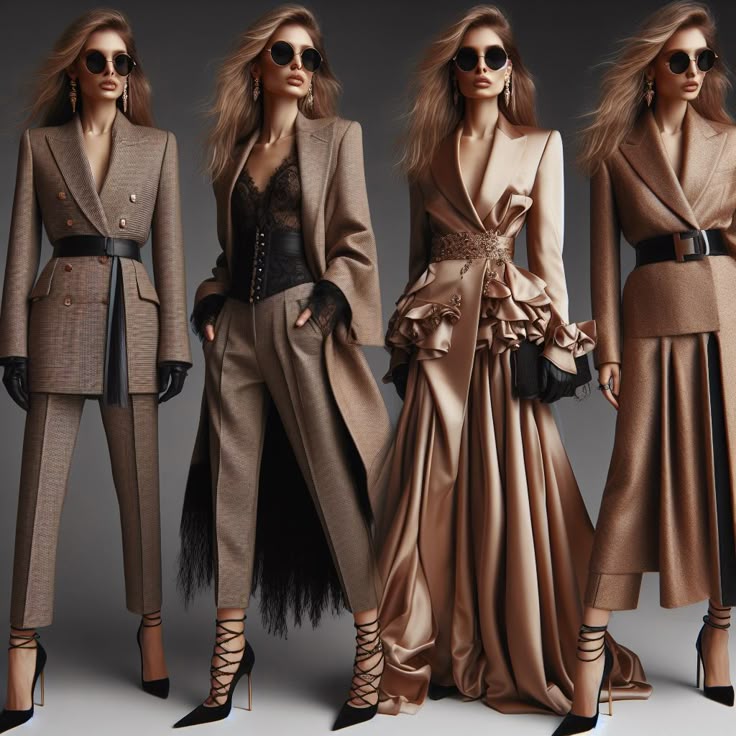
Successful solo designers often build a recognizable signature style. This could be through fabric choices, silhouettes, or cultural inspiration, helping them stand apart in an oversaturated market.
E-commerce and Direct-to-Consumer Advantage
Direct-to-consumer (DTC) models have revolutionized fashion retail. Solo designers can now sell directly to customers without relying on wholesalers or department stores.
This approach not only increases profit margins but also gives designers full control over branding and customer experience.
- Higher profit margins without middlemen
- Direct feedback from customers improves product development
- Global reach through online storefronts
Building Customer Loyalty Through Direct Interaction
When customers buy directly from a designer, they often feel more connected to the creative process. This relationship fosters loyalty and repeat purchases, which are essential for long-term sustainability.
Challenges and How Solo Brands Overcome Them
Despite the advantages, running a fashion brand alone comes with challenges such as time management, production limitations, and scaling difficulties. However, many of these obstacles can be managed with strategic planning.
Solo entrepreneurs often rely on outsourcing, collaboration, and digital systems to maintain efficiency.
- Limited production capacity can restrict growth
- Time constraints require strict prioritization
- Scaling requires partnerships or automation tools
Turning Constraints into Creative Strengths
Interestingly, limitations often drive innovation. Many successful solo brands use their constraints to develop unique selling points, such as limited-edition drops or handcrafted exclusivity, which enhance brand value.
FAQs
1. Can a one-person fashion brand really compete with big fashion companies?
Yes, by focusing on niche markets, strong branding, and digital marketing, solo brands can effectively compete with global labels in targeted segments.
2. What is the biggest advantage of a solo fashion brand?
Creative freedom and full control over branding, pricing, and design decisions are the biggest advantages.
3. How important is social media for independent fashion brands?
Extremely important, as it acts as the primary channel for marketing, storytelling, and customer engagement.
4. Do one-person fashion brands need a large budget to start?
No, many start with minimal investment using print-on-demand, small batches, or digital-only designs.
5. What makes customers choose independent fashion labels?
Authenticity, uniqueness, and emotional connection often drive customers toward independent designers.
Conclusion
The idea that only large corporations can dominate fashion is becoming less relevant in today’s digital-first world. One-person fashion brands are proving that creativity, strategy, and consistency can rival even the biggest global labels. While challenges exist, the ability to adapt quickly and connect directly with audiences gives solo designers a powerful advantage.
As the industry continues to evolve, independent creators will likely play an even larger role in shaping trends, redefining luxury, and influencing consumer behavior. Fashion is no longer just about scale—it is about identity, storytelling, and connection.
Join the New Wave of Independent Fashion Creators
If you’re considering starting your own fashion brand or already building one, now is the perfect time to refine your vision and take advantage of digital opportunities. Focus on developing a clear identity, building authentic connections with your audience, and leveraging modern tools to streamline your workflow.
Success in fashion no longer depends on the size of your team—it depends on the strength of your ideas and how effectively you communicate them to the world.